





Are Desk Phones Still Relevant in Today’s Communication Ecosystem?

The Evolution of Desk Phones
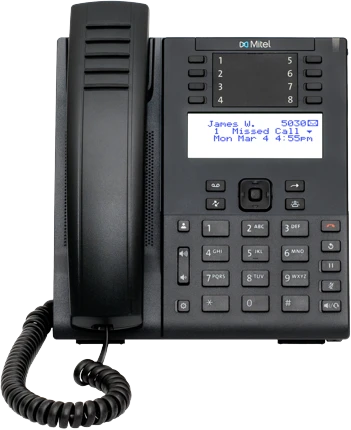
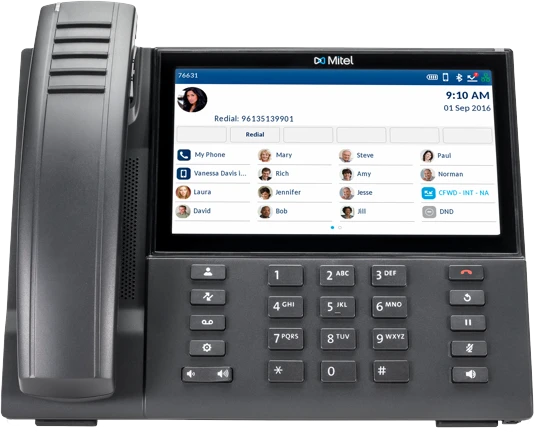
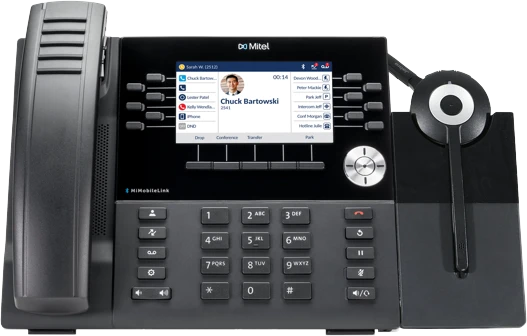
Desk phones have come a long way from their bulky, rotary-dial ancestors. Today's desk phones are sleek, feature-rich devices that integrate seamlessly with modern communication systems. They offer high-definition voice quality, video calling capabilities, and advanced features like call forwarding, voicemail-to-email, and more.
Reliability and Stability
One of the primary reasons desk phones remain popular is their reliability. Unlike mobile phones, which can suffer from signal issues and battery life constraints, desk phones are always connected and ready to use. This reliability is crucial for businesses that require consistent and uninterrupted communication.

Enhanced Audio Quality
Desk phones are designed to provide superior audio quality, which is essential for clear and effective communication. The high-definition voice capabilities of modern desk phones ensure that every conversation is crisp and free from distortion, making them ideal for conference calls and important business discussions.
Integration with Modern Technologies
Far from being outdated, desk phones have evolved to integrate with contemporary communication technologies. Many desk phones now support VoIP (Voice over Internet Protocol) and can be connected to cloud-based communication platforms. This integration allows businesses to leverage the benefits of both traditional and modern communication methods.
Security and Privacy
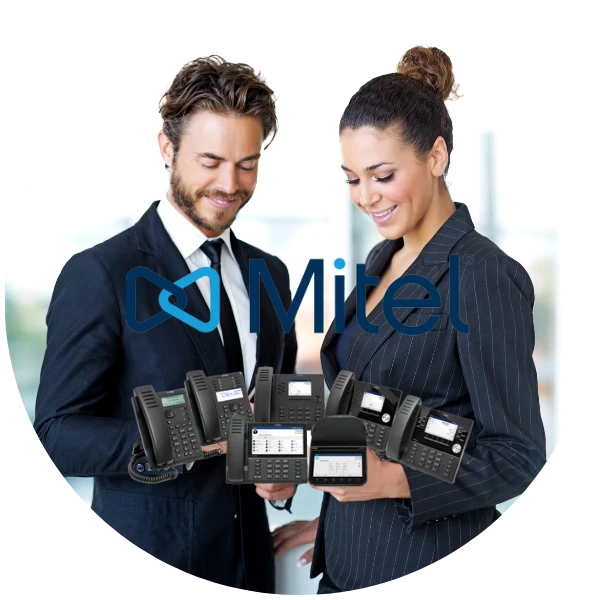
Desk phones offer a higher level of security compared to mobile phones. They are less susceptible to hacking and eavesdropping, making them a preferred choice for sensitive business communications. Additionally, desk phones can be configured with secure communication protocols to ensure data privacy.
User Preference and Comfort
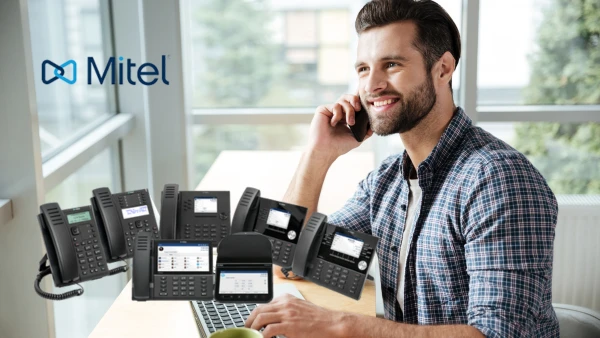
For many employees, desk phones provide a sense of familiarity and comfort. The tactile experience of using a physical handset and the ease of accessing dedicated buttons for various functions can enhance productivity. Desk phones also reduce the strain of prolonged mobile phone use, which can be beneficial for employee well-being.
The Hybrid Work Environment
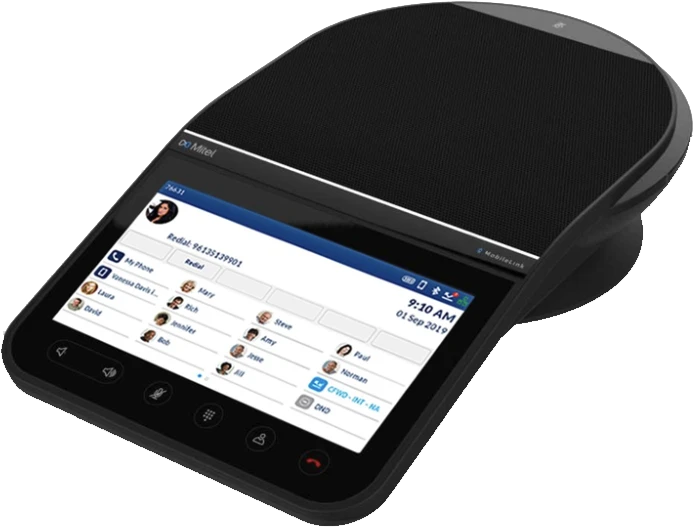
As businesses adopt hybrid work models, desk phones continue to play a vital role. In-office employees benefit from the reliability and quality of desk phones, while remote workers can use soft clients and mobile devices. This hybrid approach ensures that all employees have access to the best communication tools, regardless of their location.